
Discover the many benefits of DIY furniture projects, from saving money and reducing waste to creating unique pieces that perfectly suit your home and style.
Introduction
There’s something incredibly satisfying about transforming an old piece of furniture into something beautiful. Whether it’s a worn-out coffee table, a dated dresser, or a second-hand cabinet, DIY furniture projects allow you to create something unique while saving money and reducing waste.
You don’t need to be an experienced woodworker or own a fully equipped workshop to get started. Many furniture makeovers require only a few basic tools, some paint or stain, and a little creativity.
If you’ve been thinking about tackling your first furniture project, here are some of the biggest benefits of rolling up your sleeves and giving old furniture a new lease on life.
Save Money Without Compromising on Style
One of the biggest benefits of DIY furniture projects is the money you’ll save.
Quality furniture that is brand new can be expensive, especially if you’re shopping for solid timber pieces. By purchasing second-hand furniture from op shop (thrift stores), garage sales or online marketplaces, you can often find incredibly well-made items for a fraction of the cost of buying new. You would be surprised at how much is even given away for free!
With a little effort, a $30 side table or $50 cabinet can be transformed into a feature piece that looks like it came from a designer furniture store.
Create One-of-a-Kind Furniture
Mass-produced furniture can leave homes looking identical and lifeless.
When you restore or customise furniture yourself, every piece becomes unique. You choose the colours, finishes, hardware and styling to suit your home and your personality.
Whether you prefer modern, farmhouse, coastal, Scandinavian or mid-century style, or even an eclectic mix of all of them, DIY allows you to create furniture that reflects your personal taste.
No one else will have exactly the same piece.
Reduce Waste and Help the Environment
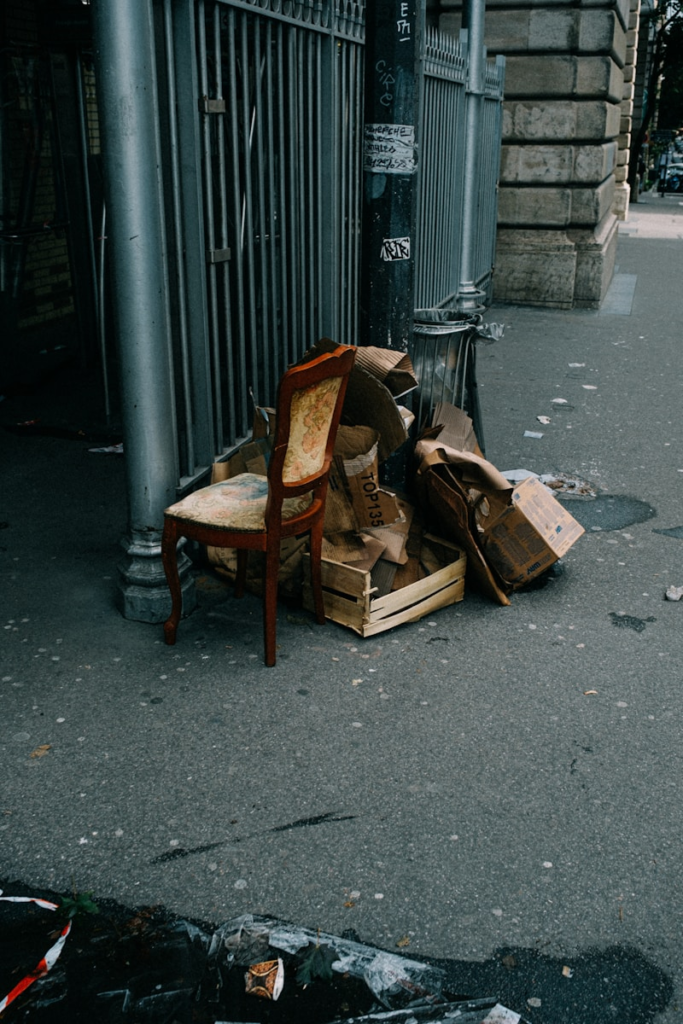
Every year, millions of pieces of furniture end up in landfill simply because they’re scratched, outdated or no longer on trend.
Restoring furniture keeps perfectly usable items in circulation and reduces the demand for new manufacturing.
Choosing to upcycle instead of replace is one of the simplest ways to reduce waste while creating a more sustainable home.
Every restored piece is one less item heading to landfil and one more newly manufactured item that doesn’t need to be made.
Learn Valuable New Skills
DIY furniture projects are a fantastic way to build practical skills and develop a way of looking at the world where you see potential over problems.
As you complete more projects, you’ll gain confidence in:
- Sanding
- Painting
- Staining
- Wood repair
- Replacing hardware
- Basic woodworking
- Furniture maintenance
These skills can be applied to countless projects around your home, making future renovations easier and more affordable. You might even be able to turn your new skills into a side hustle!
It’s Easier Than Most People Think
Many beginners avoid furniture restoration because they think it’s too difficult.
The truth is that many successful makeovers involve only a few simple steps:
- Cleaning
- Light sanding
- Priming
- Painting or staining
- Installing new handles
You don’t need expensive tools or years of experience to achieve professional-looking results.
Starting with smaller projects helps build confidence before tackling larger pieces.
Improve Your Home on a Budget
Refreshing your home doesn’t have to involve expensive renovations.
A restored cabinet, coffee table or dining table can completely change the feel of a room and create a great talking point without costing thousands of dollars.
Many DIY furniture projects cost less than a family dinner out, yet provide years of enjoyment.
Small changes can make a surprisingly big impact.
Furniture Restoration Can Become a Profitable Side Hustle
Many people begin restoring furniture as a hobby before turning it into a source of extra income.
Buying affordable second-hand furniture, improving its appearance and selling it for a profit has become increasingly popular.
As your skills improve, you may be able to restore higher-quality pieces and earn even better returns.
For many people, what starts as a weekend hobby becomes a rewarding side business.

Preserve Quality Furniture
Older furniture was often built to a much higher standard than many modern flat-pack alternatives.
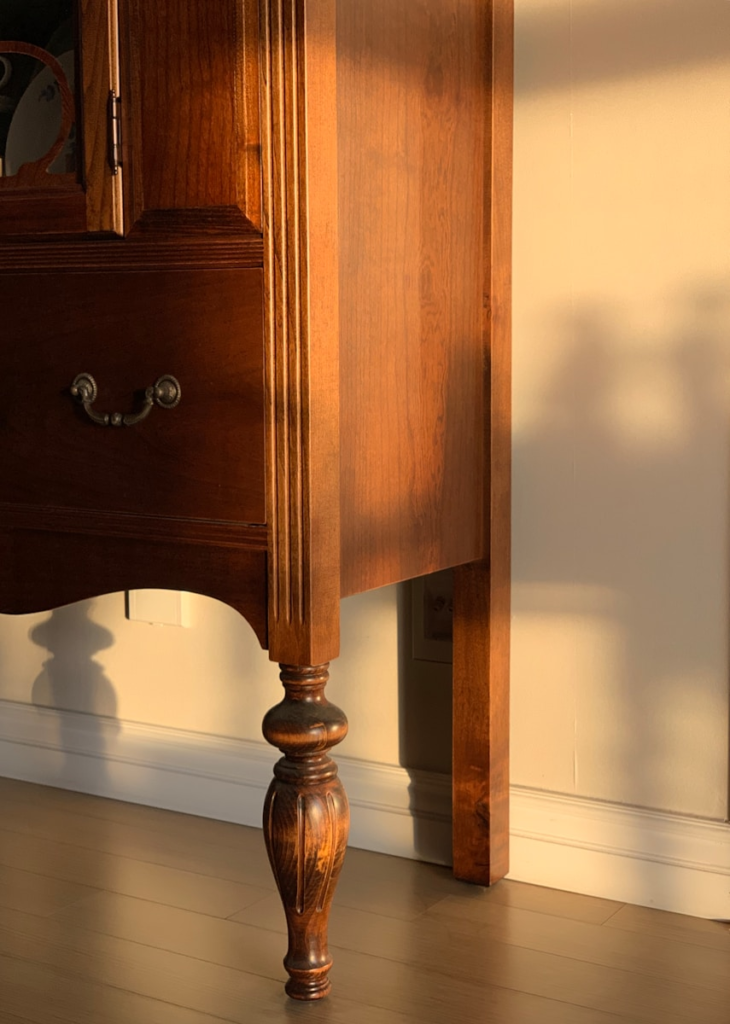
Solid timber construction, quality joinery and durable materials mean many vintage pieces still have decades of life remaining.
Rather than replacing these well-built items, restoration allows you to preserve their craftsmanship while updating their appearance to suit modern homes.
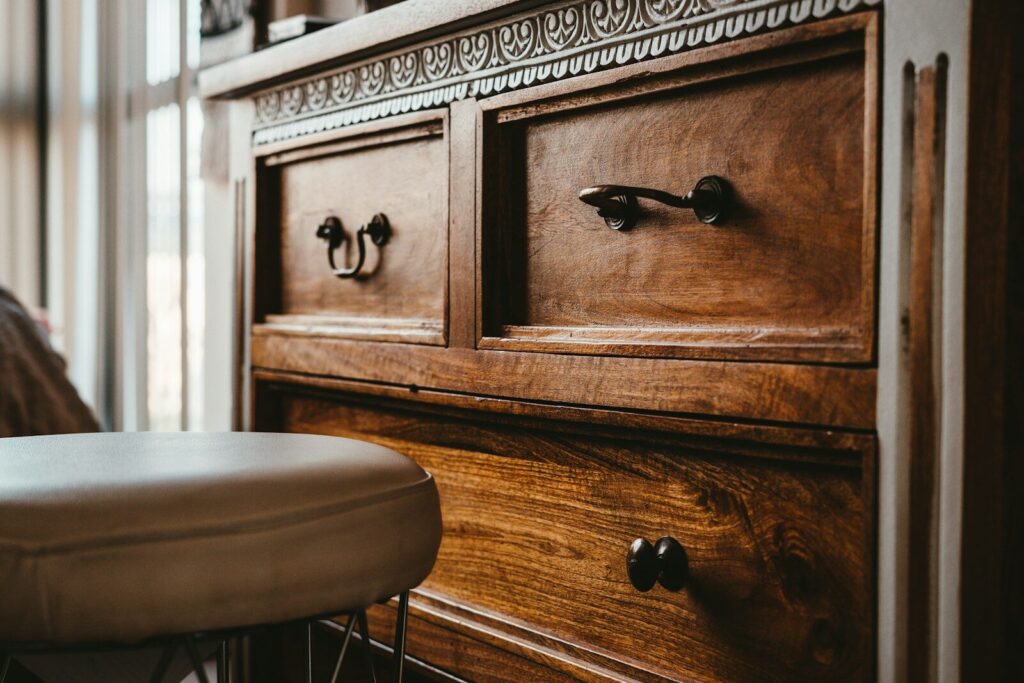
When you look closely at a piece of furniture that has survived decades, you are looking at a physical diary of human life—the sun-faded top where a beloved houseplant sat for thirty years, the worn drawers smoothed down by generations of hands pulling them open, and the ink stains left behind by someone writing letters long ago.
Upcycling is about honoring that story while preparing the timber for its next chapter. When you pick up a sander or a paintbrush, you aren’t just covering up old imperfections; you are collaborating with the craftsmen of the past to give their hard work a brand-new purpose. You become part of that furniture’s timeline, adding your own chapter to the piece so that it can continue telling stories in another home for many years to come.
Enjoy the Satisfaction of Creating Something Yourself
One of the best benefits of DIY furniture projects is the sense of achievement.
Watching an old, neglected piece become something beautiful through your own effort is incredibly rewarding.
Every scratch repaired, every fresh coat of paint and every polished finish represents skills you’ve developed along the way.
It’s a creative process that delivers both practical and personal rewards.
Inspire Others
Sharing your furniture makeovers with family, friends or online communities can inspire others to give DIY a try.
Many successful furniture restorers started by sharing simple before-and-after photos.
Check out the Re-loved Revolution, which was created for exactly that purpose.
You never know who you might encourage to rescue a forgotten piece instead of buying new.

Getting Started Doesn’t Have to Be Expensive
You don’t need a large workshop or professional equipment to begin.
For your first project, you’ll usually only need:
- A cleaning cloth and some hot water or vinegar
- Some sandpaper or a cheap plug-in orbital sander with some sanding discs
- A dust mask
- A paintbrush or small roller
- Primer and paint or a wood stain and topcoat
- A screwdriver to remove the old hardware
- New hardware if you intend to replace it (see our article about sourcing this for a great price on AliExpress.com if you can’t find what you want at your local hardware store)
As your confidence grows, you can gradually add more bits and pieces to your collection.
Everything you need is pretty low cost and if you end up selling a piece you refinish, you will be able to reinvest your initial profits to build up some supplies.
Final Thoughts
DIY furniture projects offer far more than just a way to save money. They provide an opportunity to learn practical skills, express your creativity, reduce waste and create a home filled with furniture that tells a story.
Every restored piece has character that simply can’t be found in mass-produced furniture.
Whether you’re restoring a family heirloom, giving a Facebook find a new life or experimenting with your very first makeover, every project is a chance to create something both beautiful and uniquely yours.
The next time you see an old piece of furniture that looks tired or outdated, don’t overlook it. With a little imagination and some basic DIY skills, it could become one of the most rewarding projects you’ve ever completed.
Frequently Asked Questions
Do I need woodworking experience to restore furniture?
No. Many beginner-friendly projects require only basic cleaning, sanding, painting and replacing hardware.
What’s the best furniture for beginners?
Bedside tables, coffee tables, small cabinets and dining chairs are excellent first projects because they’re manageable and don’t require advanced skills.
What tools do I need to start?
A few basic hand tools, sandpaper, paint or stain, brushes and a screwdriver are enough to complete many beginner furniture restoration projects. A plug-in orbital sander is probably the best time-saver to start with if you are going to be removing old finishes.
Is it cheaper to restore furniture than buy new?
In many cases, yes. One of the many benefits of DIY furniture projects is that restoring a quality second-hand piece is often significantly cheaper than purchasing a comparable new item.
Can furniture restoration increase a piece’s value?
It can. Well-executed restorations on quality furniture often make pieces more attractive to buyers, particularly when modern finishes are combined with solid craftsmanship. Items with scratches or failing finishes often struggle to sell and are sometimes even given away for free. With some basic refinishing these pieces can increase in value and are ready to be re-loved.
Leave a Reply