
Learn the basics of interior design and discover how to create a beautiful, stylish and unique home that reflects your personality without blowing your budget.
Introduction
Creating a beautiful home doesn’t require an unlimited budget or expensive designer furniture. In fact, some of the most inviting homes are built slowly over time using carefully chosen furniture, meaningful décor and a little creativity.
Interior design isn’t about following trends, buying everything from Ikea and Kmart, or filling every corner with expensive accessories. It’s about creating spaces that feel comfortable, functional and uniquely yours.
Whether you’ve just moved into your first home or want to refresh a room without spending thousands of dollars, this beginner’s guide will help you understand the basic principles of interior design and show you how to achieve a stylish home on almost any budget.
Start With How You Want the Room to Feel
Before buying furniture or choosing paint colours, ask yourself one simple question:
How do I want this room to feel?
Do you want it to be:
- Warm and cosy?
- Bright and airy?
- Calm and relaxing?
- Modern and minimalist?
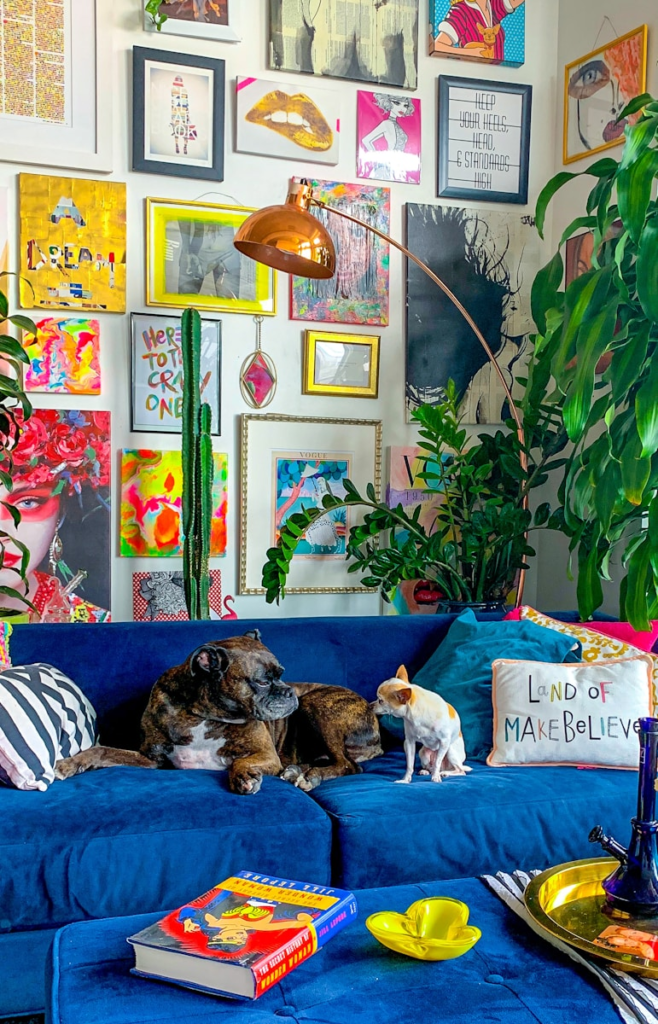
- Colourful and eccentric?
- Rustic and welcoming?
Knowing the feeling you’re trying to create makes every decorating decision much easier.
Instead of copying someone else’s home, design a space that suits the way you live.
Choose a Colour Palette
One of the easiest ways to make a home feel professionally designed is to use a consistent colour palette.
A simple approach is to choose:
- One dominant colour
- One secondary colour
- One or two accent colours
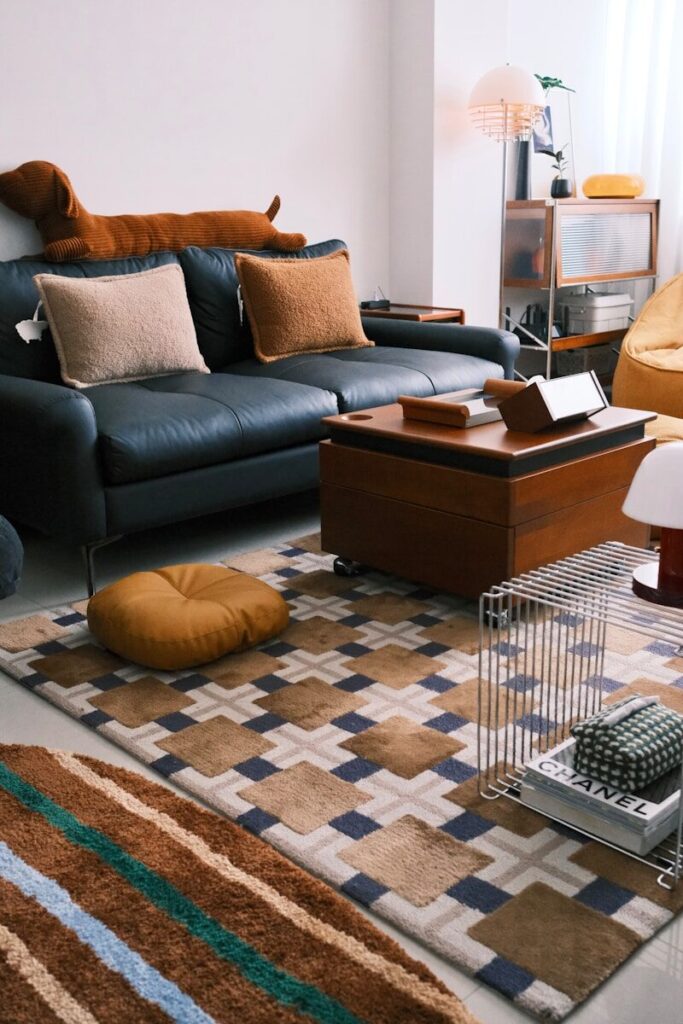
Neutral tones such as white, beige, soft grey and warm timber create a timeless foundation that allows colourful cushions, artwork and plants to stand out.
Keeping your colour palette consistent throughout your home creates a sense of flow and makes even small spaces feel larger.
Pay Attention to Your Key Furniture Pieces
If you want to splurge on one key item, invest in a good quality mattress (I personally love my Peace Lily low-tox latex mattress, not sponsored. It’s a big initial outlay but it has a 25-year warranty!).
I’m also a little fussy about the smells that sometimes come along with other people’s soft furnishings – think cushions, rugs and sofas. However, that’s not to say you can’t find great second-hand options if you know what to look (and sniff) for.
When it comes to the rest of your furniture, many older pieces are better built than modern flat-pack alternatives and can be transformed with a little DIY. You can end up with something unique, that shows real craftsmanship, and that tells a story.
Take your time when deciding on items that you use often, like a sofa, dining table, desk or office chair. However, the benefit of scoring a second-hand bargain is that you can always sell it on to the next person when you find what you’re looking for.
Don’t be afraid to use second-hand placeholder furniture if you need something to use in a hurry, while you take your time looking for the perfect piece. This can really help you to stick to your budget and avoid making expensive mistakes.
Mix Old With New
One of the biggest mistakes beginners make is trying to buy everything from the same furniture store.
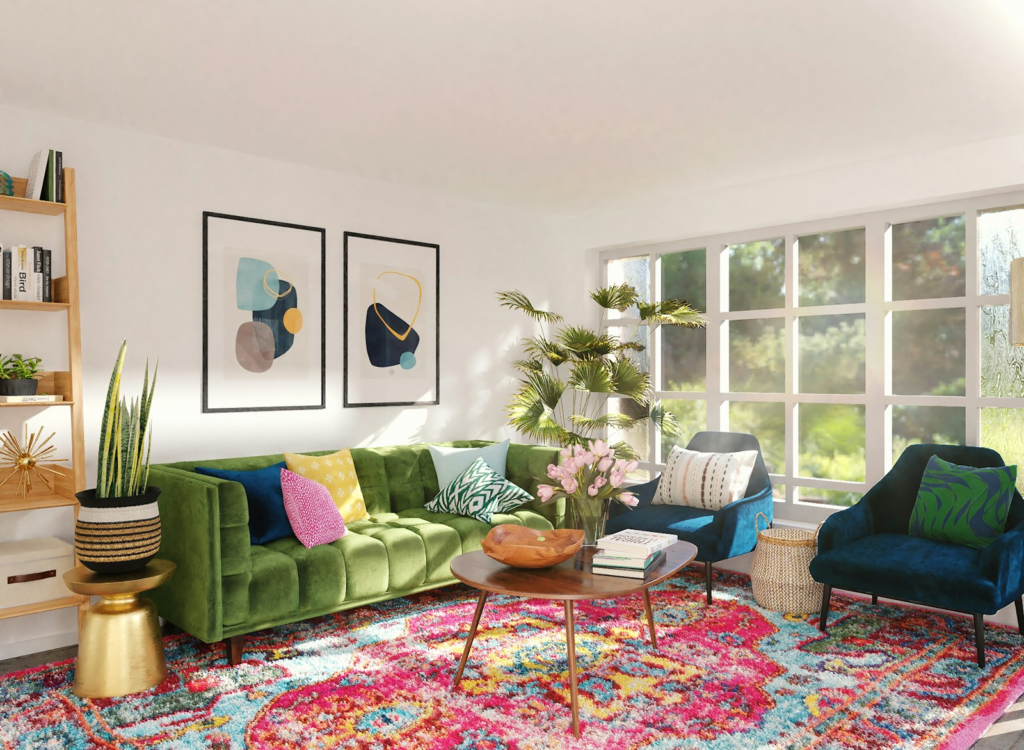
The most interesting homes combine different styles and eras.
For example:
- A vintage timber cabinet
- A modern sofa
- Handmade pottery
- Contemporary artwork
- Indoor plants
Mixing old and new creates personality and makes your home feel collected rather than copied.
Let Your Home Tell Your Story
Your home should reflect your life, not a furniture catalogue.
Display items that have meaning to you:
- Travel souvenirs
- Family photographs
- Books
- Handmade ceramics
- Vintage finds
- Artwork you’ve collected over time
These personal touches are what transform a house into a home. Think of it as autobiographical.
Use Lighting to Change the Mood
Lighting is often overlooked, yet it has one of the biggest impacts on how a room feels.
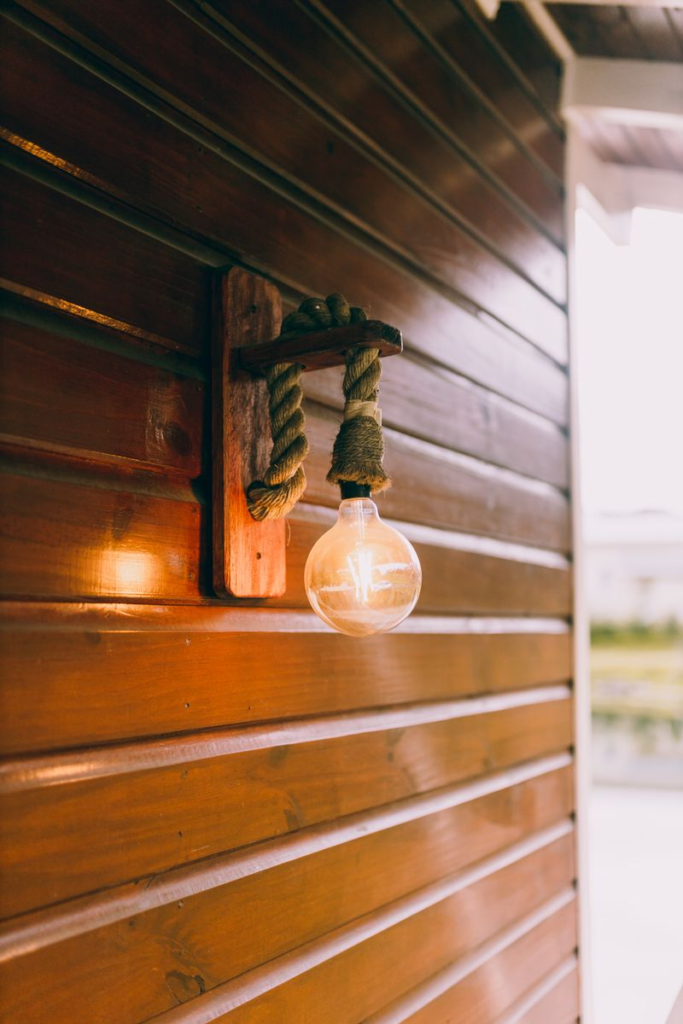
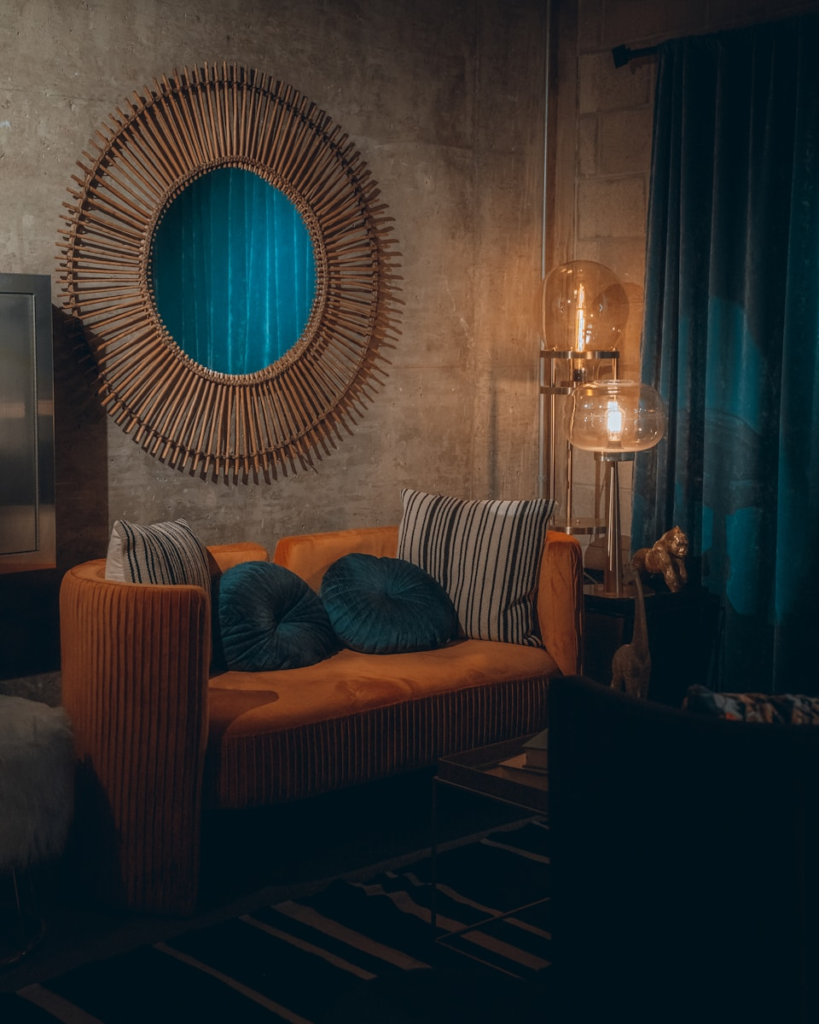
Rather than relying on one bright ceiling light, layer your lighting using:
- Floor lamps
- Table lamps
- Wall lights
Also, make sure you change all your light bulbs from bright white to warm.
Soft lighting instantly makes a room feel more welcoming.
Bring Nature Indoors
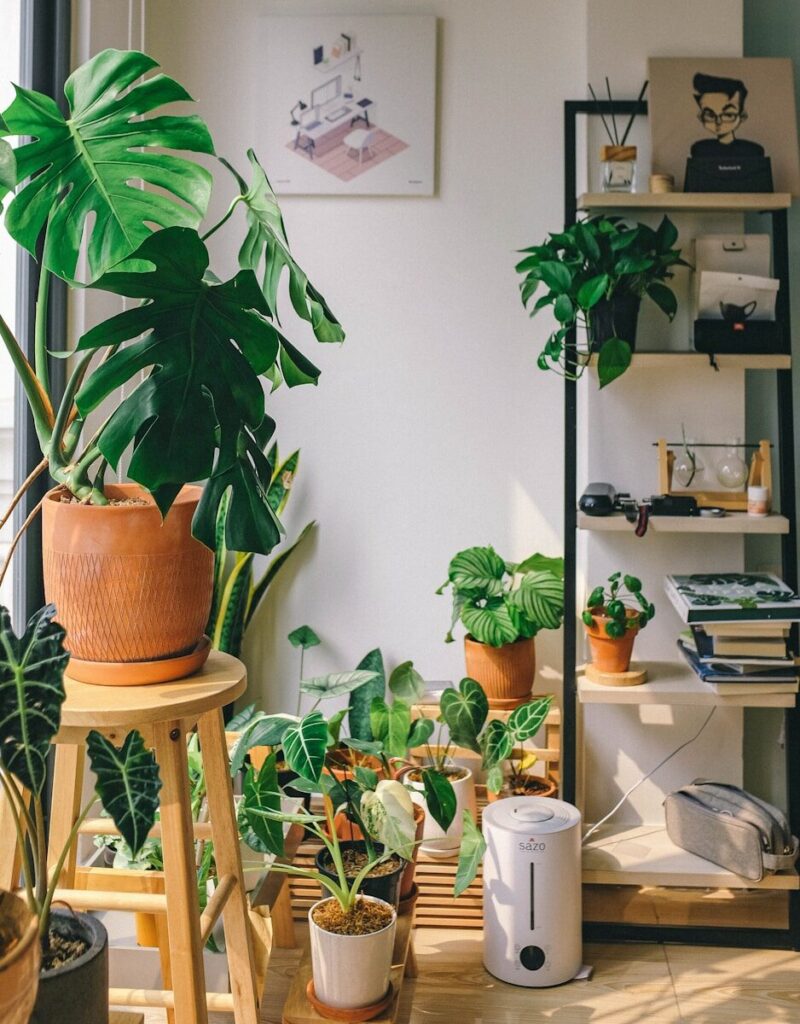
Plants are one of the most affordable ways to make a home feel fresh and alive.
Even a single indoor plant can soften a room and add colour and texture.
Some easy-care options include:
- Snake Plant
- ZZ Plant
- Peace Lily
- Pothos
- Rubber Plant
- Ferns
- Fiddle leaf fig
- Spider plant
Many of these varieties can even be grown from cuttings so share and swap with your friends.
If you’re new to indoor plants, start with varieties that require very little maintenance.
Don’t Rush to Fill Every Space
A beautifully designed room doesn’t need to be full.
Leaving some empty space allows furniture and decorative pieces to stand out.
Overcrowded rooms often feel smaller and more chaotic.
Add pieces slowly and choose bits you genuinely love rather than filling your home simply because you feel you should.
Shop Smart
Creating a beautiful home on a budget is all about shopping wisely.
Great places to find affordable furniture on a budget include:
- Facebook Marketplace
- Garage sales
- Thrift stores
- Estate sales
- Clearance outlets
- Online sales
With a little patience, it’s often possible to buy high-quality furniture for a fraction of its original price.
Many second-hand pieces need nothing more than a clean, fresh paint or new handles to look completely different.
Texture Makes a Home Feel Expensive
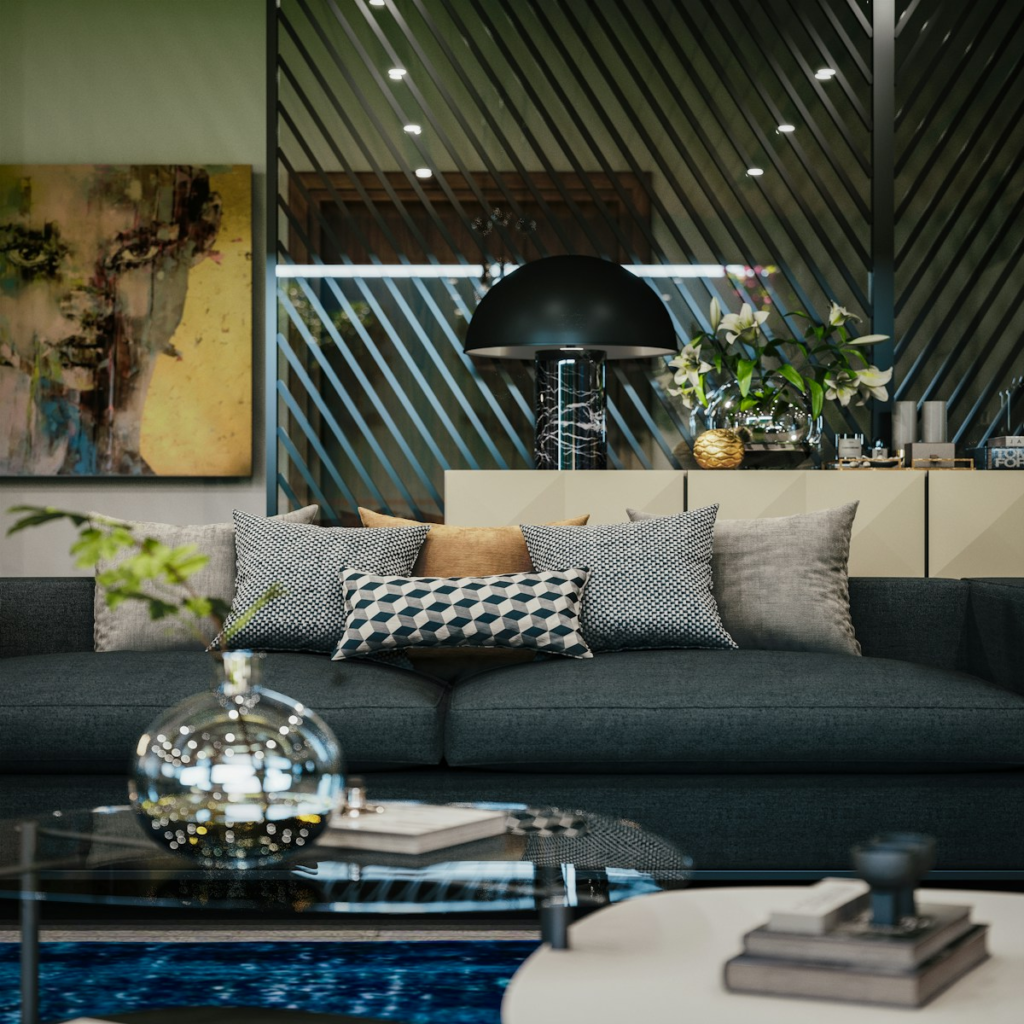
Professional interior designers often use texture instead of bright colours to create interest. I can’t overstate the importance of this.
Try combining:
- Timber
- Linen
- Wool
- Rattan
- Leather
- Cotton
- Stone
- Ceramic
- Metal
Different textures add warmth and depth to a room. It’s often what’s missing when something feels off.
Choose Quality Over Quantity
Instead of using lots of inexpensive decor, focus on a few quality pieces that you truly enjoy.
One beautiful lamp or restored cabinet will often have more impact than a room filled with cheap decorative items.
Thoughtfully chosen furniture creates a calmer and more sophisticated home.
DIY Can Save Thousands
One of the easiest ways to create a home with character is by tackling simple DIY projects.
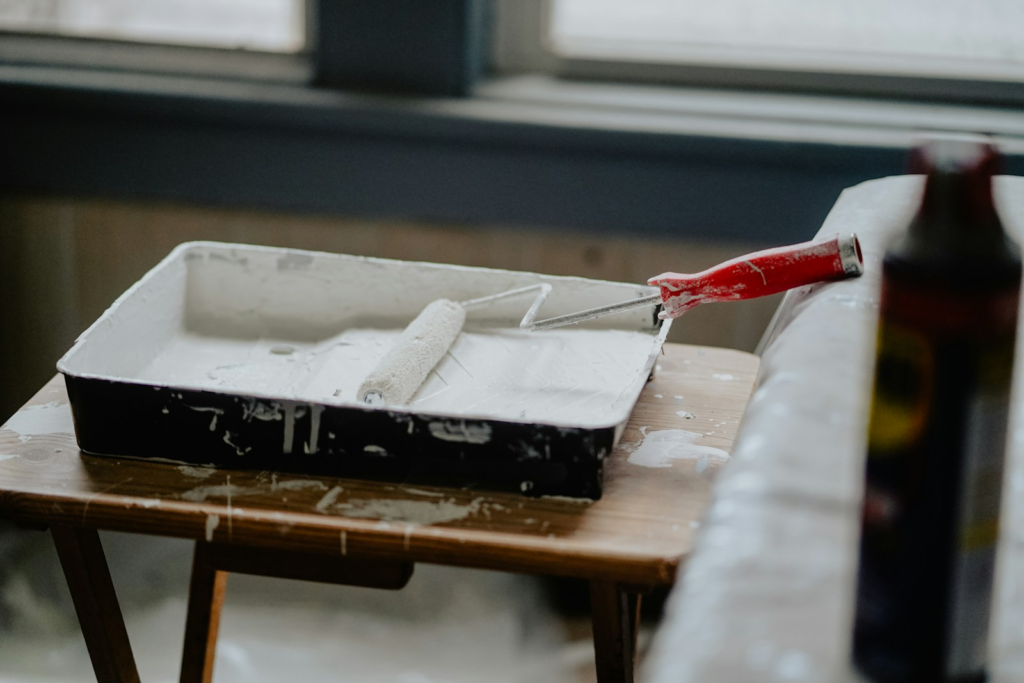
Painting furniture, replacing cabinet handles, building shelves or restoring second-hand pieces allows you to create furniture that feels unique and perfectly fits your space while saving a significant amount of money.
Many of the most admired homes feature handmade or restored pieces that simply can’t be bought in large furniture stores.
Decorate Over Time
Perhaps the biggest secret of beautiful homes is that they aren’t created in a weekend.
They evolve.
Furniture is added.
Artwork is collected.
Plants grow.
Rooms change as lifestyles change.
Allow your home to develop naturally rather than trying to finish everything immediately.
Your home will feel far more authentic as a result.
If it matters, take your time.
Final Thoughts
Interior design isn’t about following expensive trends, copying perfectly styled magazine homes or rushing out to get everything from the same store.
It’s about creating spaces that make you feel comfortable, inspired and happy every time you walk through the door.
By shopping smart, embracing DIY projects, mixing old with new and choosing pieces that reflect your personality, you can build a beautiful home without spending a fortune.
Remember, the most memorable homes aren’t the ones filled with the most expensive furniture.
They’re the ones filled with warmth, creativity and stories.
Take your time, trust your instincts and enjoy the journey of creating a home that is uniquely yours.
Frequently Asked Questions
Can I create a stylish home on a small budget?
Absolutely. Shopping second-hand, restoring furniture, choosing timeless colours and completing simple DIY projects can dramatically reduce decorating costs while creating a unique home.
What’s the biggest mistake beginners make?
Trying to decorate an entire home at once. Taking your time allows you to make better decisions and build a home with more personality.
Do all my furniture pieces need to match?
No. Mixing different styles, materials and finishes often creates a more interesting and welcoming home than buying matching furniture.
What’s the easiest way to make a room look more expensive?
Use a consistent colour palette, layer your lighting, add natural textures and reduce clutter. These simple changes can make a dramatic difference.
Is DIY furniture worth the effort?
For many people, yes. Restoring or updating second-hand furniture can save money, reduce waste and create one-of-a-kind pieces that add character to your home. See The Benefits of DIY Furniture Projects Over Buying Brand New for more on this.
Leave a Reply