
Learn how to start flipping furniture for profit with this beginner-friendly guide. Discover what to buy, how to restore it, where to sell it, and common mistakes to avoid.
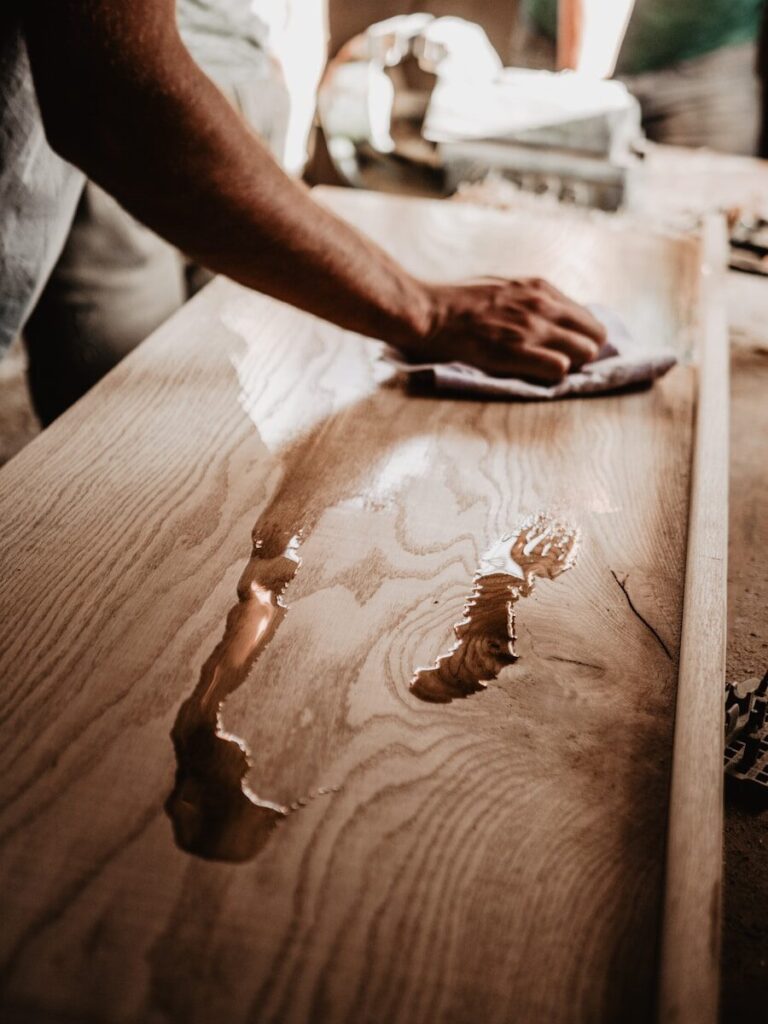
Furniture flipping is one of the most affordable side hustles you can start. With a few basic tools, some patience and an eye for quality, it’s possible to turn unwanted furniture into beautiful pieces that people are happy to pay for.
The best part? You don’t need a workshop full of expensive equipment or years of woodworking experience. Many successful furniture flippers begin with a single free Marketplace find and gradually build their skills.
Here’s everything you need to know to get started.
1. Learn What Sells
One of the biggest mistakes beginners make is restoring furniture they personally like instead of furniture buyers are actively searching for.
Spend some time browsing Facebook Marketplace and notice what listings disappear quickly. You’ll begin to spot patterns.
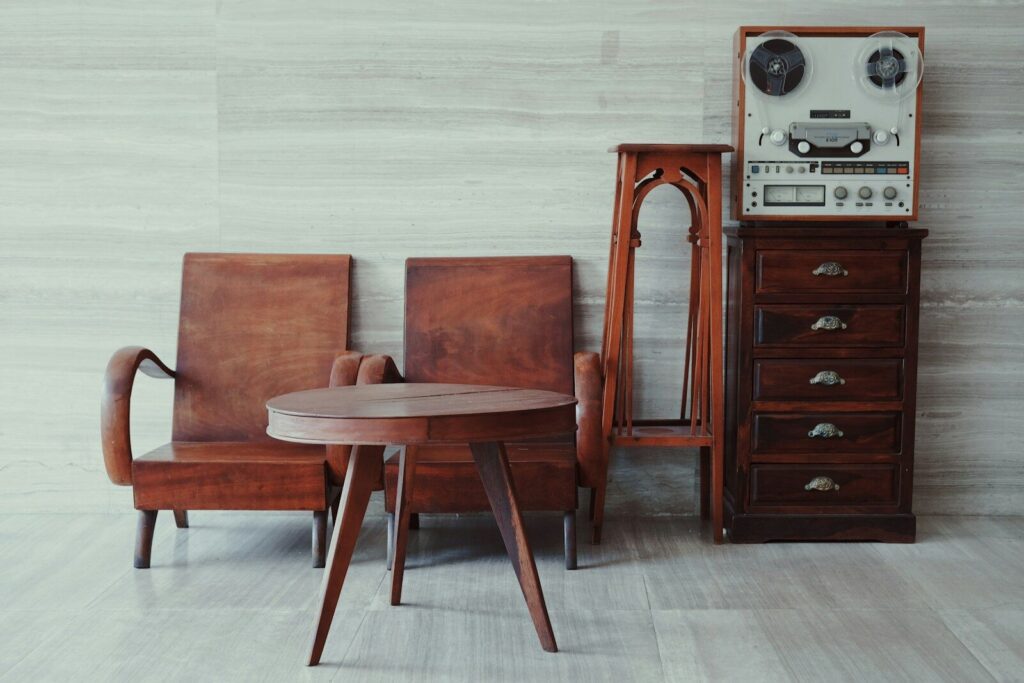
Popular pieces include:
- Mid-century sideboards
- Furniture made by sought-after furniture makers (in Australia, Parker, Chiswell, CRO, Macrob, etc.)
- Solid timber bedside tables
- Chest of drawers
- Drinks cabinets
- Sleek coffee tables
- Vintage lamps
Avoid heavily damaged particleboard furniture. Solid timber and quality veneers usually provide a much better return on your time.
2. Start Small
There’s no need to buy a large dining suite for your first project.
Instead, begin with pieces that are:
- Easy to transport
- Quick to sand
- Simple to photograph
- Inexpensive to repair
Small cabinets, bedside tables and coffee tables are ideal learning projects.
Each restoration teaches new skills while limiting financial risk.
3. Buy Cheap—but Not Just Because It’s Cheap
Free furniture isn’t always a bargain.
Before collecting a piece, ask yourself:
- Is it structurally sound?
- Are all the doors and drawers present?
- Is it solid wood or is any veneer repairable?
- Are replacement handles available if needed?
- Would someone actually want this once restored?
A quality timber piece with minor cosmetic wear is often worth far more than a free cabinet with major structural damage.
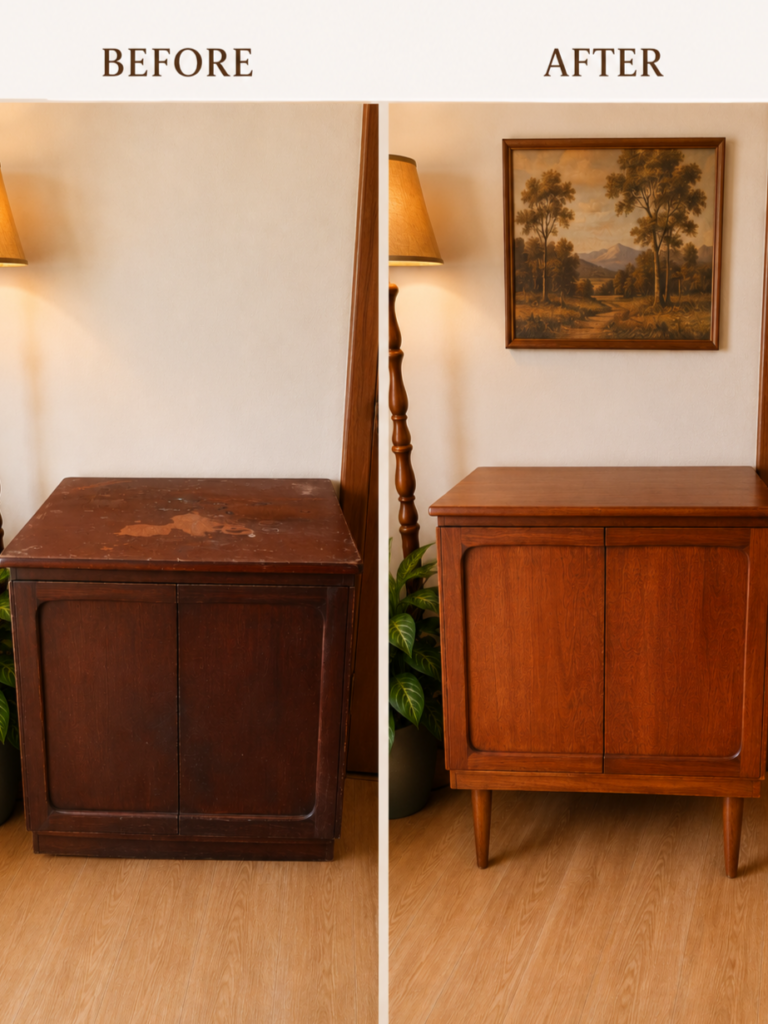
Hot tip: AI tools (like ChatGPT, etc.) can be a great tool for helping you to imagine what a piece would look like once restored.
4. Invest in Basic Tools
You don’t need thousands of dollars-worth of equipment.
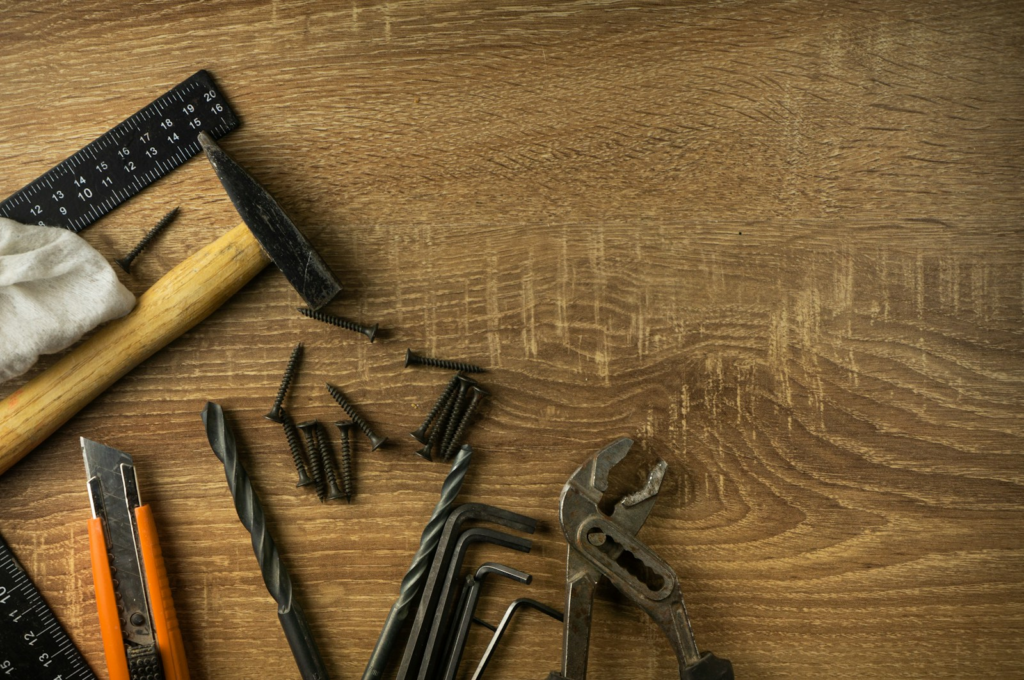
A beginner toolkit might include:
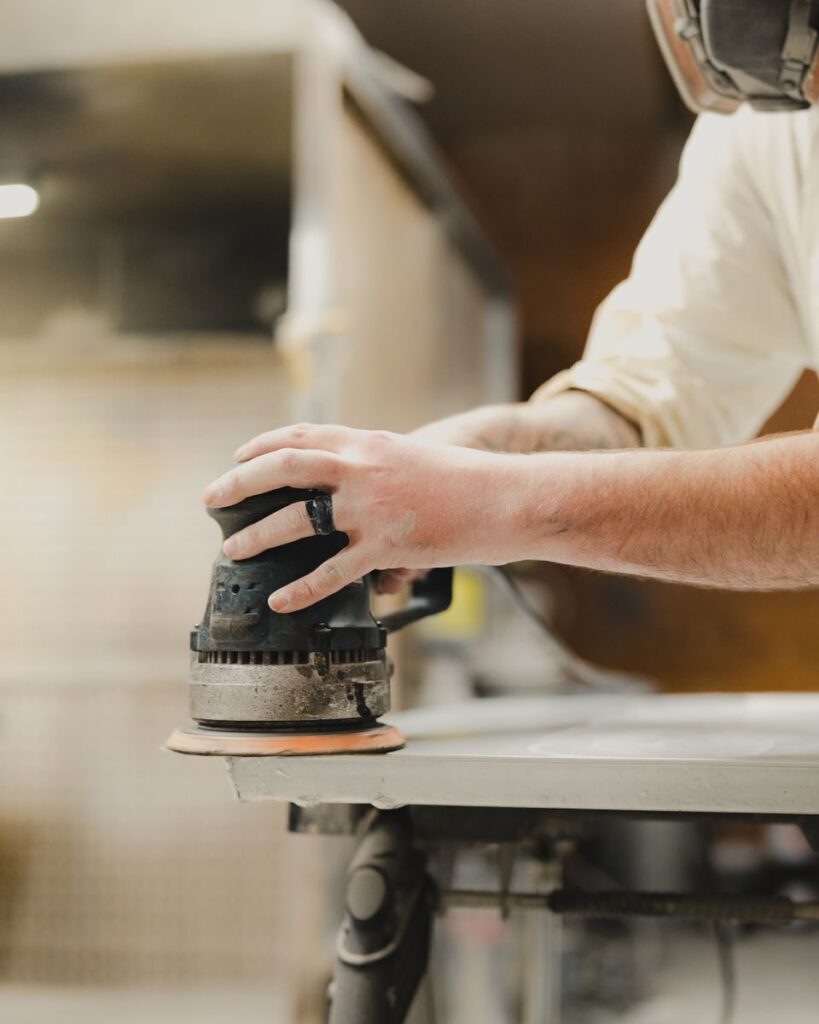
- Random orbital sander
- Sandpaper/sanding discs in multiple grits
- Screwdrivers
- Wood glue
- Clamps
- Wood filler for small repairs
- Small NAP roller and microfibre cloth
- Quality finishing oil (e.g. Danish oil, hardwax oil, etc.)
As your experience grows, you can add more specialised tools.
See The 10 Best Tools for DIY Furniture Restoration for more information on this.
5. Focus on Preparation
The quality of a restoration is determined long before the finish goes on.
Take time to:
- Remove old dirt and wax first
- Tighten loose joints
- Repair damaged veneer
- Fill dents where appropriate
- Sand evenly
- Remove dust thoroughly
Rushing preparation almost always leads to disappointing results.
6. Choose the Right Finish
Different timbers respond differently to finishes.
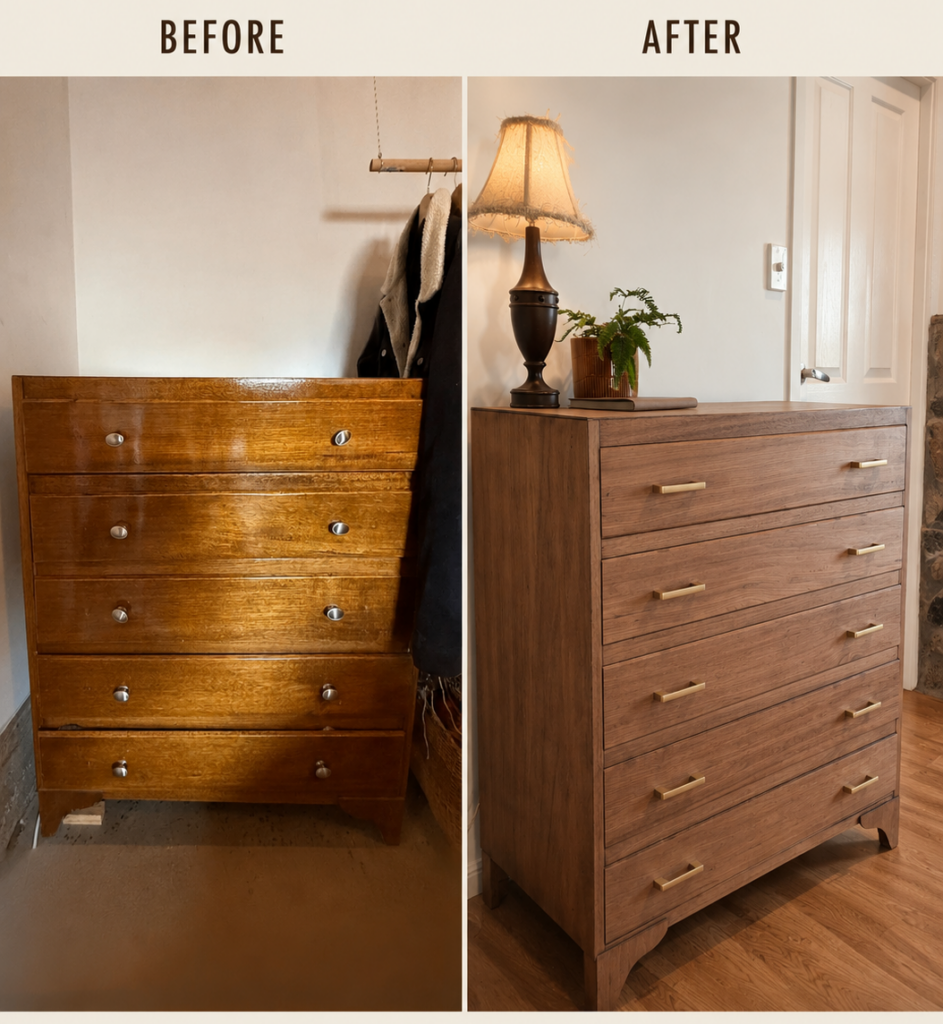
Rather than automatically painting every piece, consider restoring the natural timber first.
Well-finished timber often commands higher prices than painted furniture, particularly for mid-century designs.
Whichever finish you choose, consistency is key. Thin, even coats usually produce a better result than trying to finish everything at once.
7. Create a Professional Listing
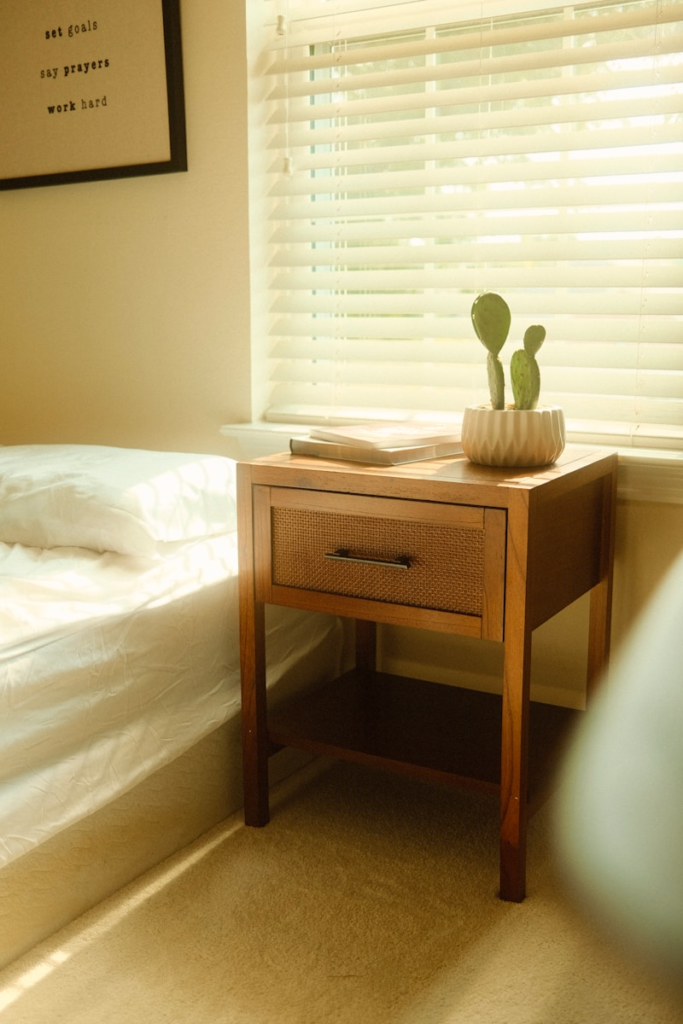
Excellent photography can make the difference between a quick sale and weeks of waiting.
Try to:
- Photograph in natural light
- Stage the piece so people can imagine how it will look in their space (e.g. use a plant, a vase, a book or a lamp)
- Use a clean, uncluttered background
- Include multiple angles
- Show close-ups of timber grain
- Mention dimensions
- Describe repairs honestly
Buyers appreciate transparency, and clear listings build trust.
8. Price for the Market
It’s tempting to price a restored piece based on the hours you’ve invested.
Unfortunately, buyers pay for value—not time.
Research similar sold listings and price competitively.
If you’re just starting out, selling quickly often helps you gain experience faster than holding out for every last dollar.
9. Reinvest Your Profits
Rather than spending your first profits, consider putting them back into the business.
You might invest in:
- Tools
- Lighting for photography
- Sanding equipment
- The ability to transport furniture (tie downs, blankets, trailer)
- Finishing products
Small improvements compound over time and allow you to tackle more valuable projects.
10. Keep Learning
Every piece of furniture presents different challenges.
You’ll gradually learn:
- Timber identification
- Veneer repair
- Colour matching
- Better photography
- Pricing strategies
- Interior styling
- What sells best in your local area
These skills increase both the quality of your restorations and the prices you can confidently ask.
Common Questions
Is furniture flipping profitable?
It can be. Many beginners start with pieces costing little or nothing and gradually move towards higher-value restorations as their skills improve. Success depends on buying well, restoring carefully and presenting your work professionally.
Do I need woodworking experience?
No. Many furniture flippers are self-taught. Starting with simple projects allows you to build confidence while developing practical restoration skills.
Where can I find furniture?
Some of the best places include:
- Family and friends
- Garage sales
- Estate sales
- Op shops/thrift stores
- Council clean-up collections (where permitted)
- Facebook Marketplace
See Train the Facebook Marketplace Algorithm to Find Better Deals or How to Find Unique Hidden Gems on Facebook Marketplace for more.
Final Thoughts
Furniture flipping isn’t about getting rich overnight. It’s about developing practical skills, recognising quality and creating something people genuinely value.
Start with one project, focus on doing it well, and let each restoration teach you something new. Over time, those lessons become experience—and experience is what transforms a hobby into a profitable side business.
Whether you’re hoping to earn extra income or simply enjoy bringing old furniture back to life, there’s never been a better time to start flipping furniture.
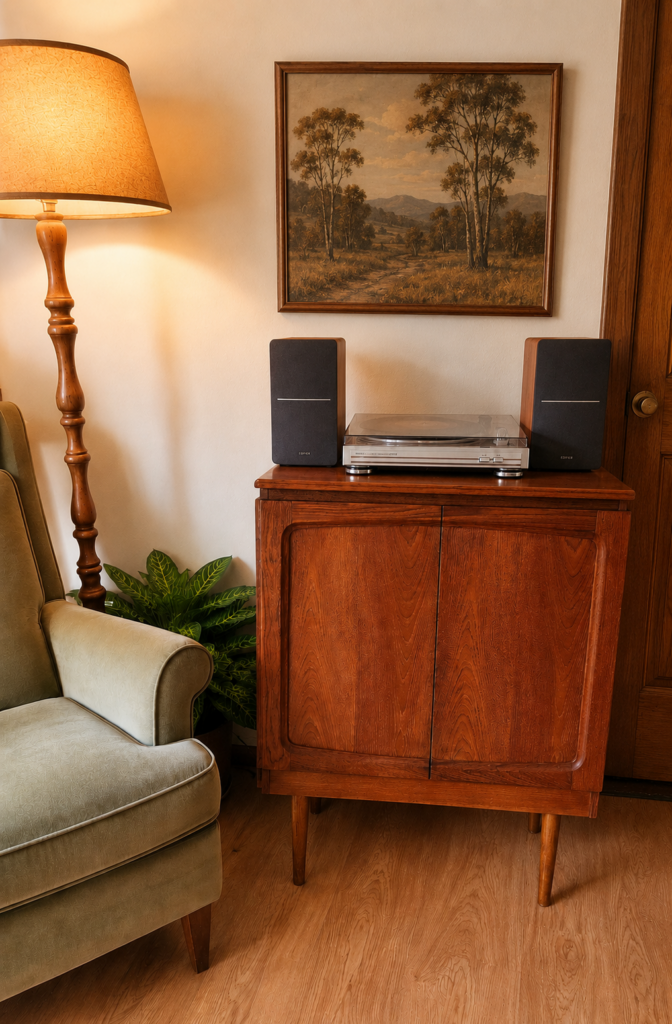
See How I Restored this Old Vintage Cabinet for Under $50 for an example project.
Leave a Reply